

How Summer Heat Damages Roofs Over Time
Your roof is one of the most important parts of your home, protecting it from the elements year-round. While many homeowners worry about storms, rain, and snow, prolonged summer heat can be just as damaging. Constant exposure to high temperatures and intense sunlight gradually weakens roofing materials, reducing their lifespan and increasing the risk of costly repairs. Understanding how summer heat affects your roof can help you take preventive measures and protect your investment.
Thermal Expansion and Contraction
One of the biggest ways summer heat damages roofs is through thermal expansion and contraction. Roofing materials expand when temperatures rise during the day and contract as temperatures cool at night. This continuous cycle places stress on shingles, flashing, and other roofing components.
Over time, repeated expansion and contraction can cause materials to crack, warp, or loosen. Small gaps may form around seams and joints, creating opportunities for water infiltration when rain eventually arrives. Even minor damage can worsen over time if left unaddressed.
UV Radiation Damage
The sun’s ultraviolet (UV) rays are a constant threat to roofing materials. Prolonged UV exposure breaks down the protective oils and compounds found in asphalt shingles, causing them to become brittle and less flexible. As shingles age, they may begin to crack, curl, or lose granules.
Granule loss is particularly concerning because these tiny particles help shield shingles from direct sunlight. Once the protective layer wears away, the underlying material deteriorates more rapidly, shortening the roof’s overall lifespan.
Increased Roof Surface Temperatures
During the summer, roof surfaces can become significantly hotter than the surrounding air temperature. On a day when the air temperature reaches 90°F, and roofing materials may absorb enough heat to exceed 150°F. These extreme temperatures accelerate material aging and can weaken adhesives used to secure shingles.
Excessive heat can also affect the attic below. Without proper ventilation, heat becomes trapped, raising indoor temperatures and forcing air conditioning systems to work harder. This increases energy costs while placing additional stress on roofing structures.
Moisture Problems and Heat
Although summer is often associated with dry weather, heat can contribute to moisture-related roofing issues. High temperatures can cause roofing materials to dry out and crack. Once cracks develop, even a small amount of rainwater can penetrate the roof system.
Additionally, poorly ventilated attics can experience condensation when warm outdoor air meets cooler interior surfaces. Over time, this moisture may contribute to mold growth, wood rot, and insulation damage.
How to Protect Your Roof
Regular maintenance is the best defense against heat-related roof damage. Schedule annual roof inspections to identify signs of wear before they become major problems. Keep gutters clean, ensure proper attic ventilation, and trim overhanging tree branches that may trap heat or restrict airflow.
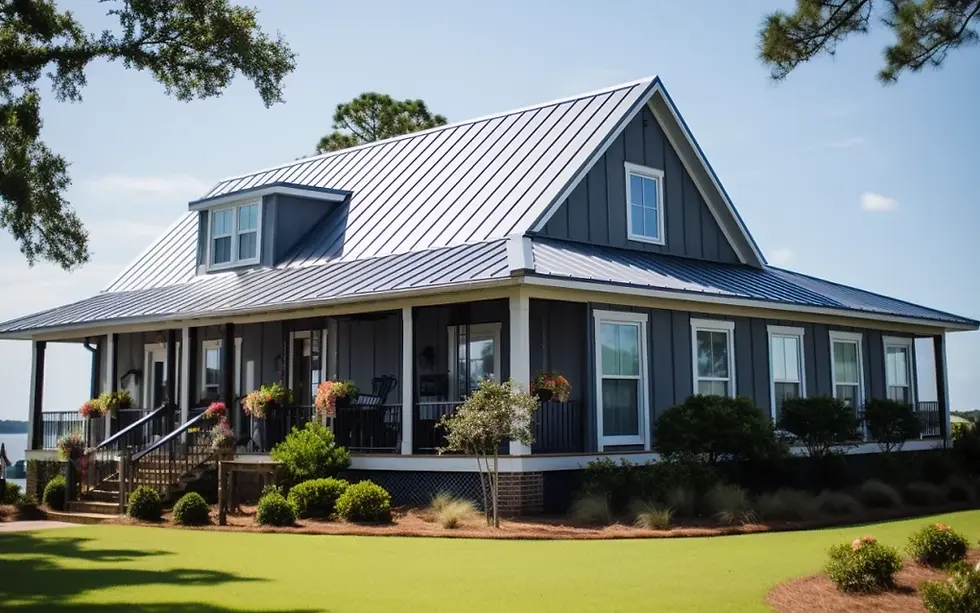
Homeowners may also consider reflective roofing materials or shingles, which absorb less heat and help reduce surface temperatures.
Conclusion
Summer heat can silently damage a roof through UV exposure, thermal expansion, excessive temperatures, and moisture-related issues. While the effects may not be immediately visible, years of heat exposure can significantly reduce a roof’s durability and performance. By understanding these risks and investing in routine maintenance, homeowners can extend the life of their roof and avoid expensive repairs in the future.


Comments